WEINIG SCANNER SYSTEMS
High-Performance Lumber Optimization & Automated Wood Scanning
For manufacturers focused on maximizing lumber yield and production efficiency, Coffey Machinery offers WEINIG scanning systems that deliver real-time optimization and defect detection in automated rough mill operations.
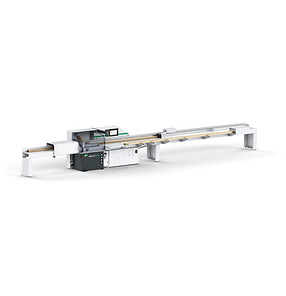
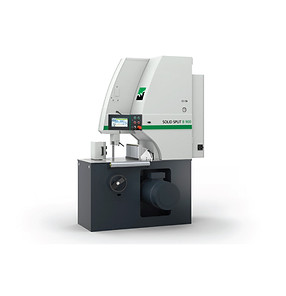
We offer a range of WEINIG scanner systems—including SOLID SCAN, SOLID SCAN R, SOLID SCAN T 2100 R, and SOLID SCAN RIP 310—designed to detect defects, optimize cutting decisions, and improve material yield in high-speed production environments.
Whether you're building a fully automated rough mill, upgrading an existing optimization line, or integrating scanning into rip and cross-cut operations, our team helps you select the right WEINIG scanner configuration based on your production flow, material type, and system requirements.
WOODWORKING PROFESSIONALS
Our WEINIG Scanners Systems Are Commonly Used For:
-
Automated lumber optimization in rough mill operations
-
Defect detection (knots, cracks, grain irregularities)
-
Rip saw and cross-cut saw optimization
-
High-speed industrial wood processing lines
-
Strength grading and structural wood production
WEINIG scanning technology is engineered to deliver real-time decision-making, enabling fully automated production systems that maximize yield and reduce waste.
WEINIG SCANNING SYSTEMS | COFFEY MACHINERY


What Is a Wood Scanning System?
A wood scanning system is an automated industrial technology used to analyze lumber in real time as it moves through a production line. Using advanced sensor and imaging technology, the scanner evaluates each board on multiple sides to detect defects such as knots, cracks, grain deviations, and dimensional irregularities.
This data is then transmitted instantly to downstream machines—such as rip saws or cross-cut saws—which use the information to optimize cutting decisions at full production speed. By automating this decision-making process, scanner systems significantly improve material yield, reduce waste, and increase overall production efficiency.
In modern woodworking operations, scanning systems are a critical component of fully automated production lines.
How WEINIG Scanner Systems Work in Production
WEINIG scanner systems operate as the intelligent control point in automated wood processing lines. As lumber passes through the scanner, it is measured and analyzed in milliseconds, capturing detailed data about defects, quality, and usable material.
This information is immediately sent to downstream equipment, allowing rip saws, cross-cut saws, and sorting systems to make optimized cutting decisions without slowing production flow. This seamless integration ensures that every board is processed for maximum value recovery.
WEINIG scanner technology is designed to support both hardwood and softwood applications, making it suitable for a wide range of industrial environments.
WEINIG SOLID SCAN Series Overview
The WEINIG SOLID SCAN series is designed for high-performance industrial applications, offering advanced scanning accuracy and seamless integration into automated production lines. These systems are widely used in modern rough mill operations where continuous optimization is essential.
The SOLID SCAN R and SOLID SCAN T 2100 R models deliver enhanced scanning performance for high-speed environments, while the SOLID SCAN RIP 310 is specifically designed to support optimized rip saw integration. Together, these systems provide reliable, real-time data processing for efficient wood utilization and cutting accuracy.
SOLID SCAN Sense & Entry-Level Systems
The SOLID SCAN Sense series represents the next generation of scanner technology, offering enhanced performance, improved optimization capabilities, and flexible application across different production stages. These systems can be used for ripping, cross-cutting, and sorting applications, making them highly versatile for modern wood processing facilities.
For smaller operations or simpler cross-cut applications, WEINIG also offers compact SOLID SCAN solutions designed to feed single cross-cut saws while still delivering accurate optimization and reliable performance.
Strength Grading and Advanced Applications
With the addition of EScan technology, WEINIG scanner systems now support strength grading applications for certified structural wood production. This enables manufacturers to sort and grade material for engineered wood products such as glulam, DUO, and TRIO beams.
By integrating strength-based sorting into automated production lines, manufacturers can expand into higher-value product categories while maintaining consistent quality and compliance standards.
Benefits of Using WEINIG Scanner Systems
Investing in WEINIG scanning technology delivers major improvements in efficiency, accuracy, and material utilization. These systems enable fully automated decision-making, allowing production lines to operate at maximum speed without manual intervention.
Scanner systems significantly increase lumber yield by ensuring each board is optimally processed based on its unique characteristics. They also reduce waste by identifying defects early and directing material to the most efficient cutting strategy.
In addition, WEINIG scanners improve overall production consistency, enabling predictable, repeatable results across high-volume industrial operations. Watch how the SCAN RIP 310 line simplifies woodwork operations.
.
Why Choose Coffey Machinery?
Coffey Machinery is a trusted supplier of industrial woodworking equipment serving the Northeast, providing expertise in high-performance automation systems and access to leading manufacturers like WEINIG.
We work closely with customers to design and implement the right scanner configuration based on production requirements, system integration needs, and long-term efficiency goals. From initial selection through full line optimization, we help ensure your scanning system delivers maximum performance.
At Coffey Machinery, we don’t just supply machinery—we help manufacturers build smarter, fully automated production systems powered by advanced WEINIG scanning technology.